Crystals for Chakras: Elegant Guide to Harmony of the 7 Energy Centres
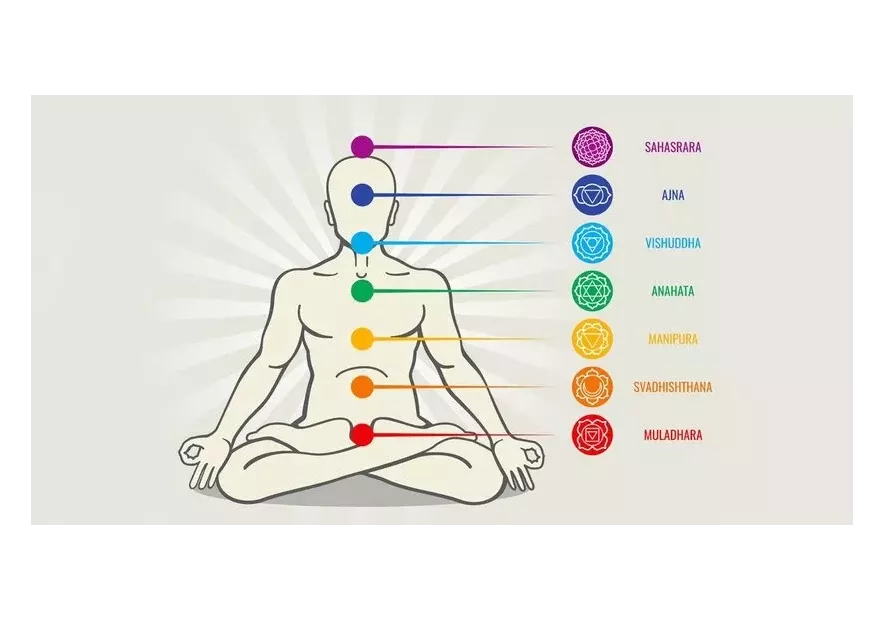
Which crystals to choose to harmonize the chakras
Humans are not just a body: they are vibration, memory, a breath of energy in continuous dialogue with the material world. For over a century, physics has reminded us that every form of matter – a stone, a plant, our own organism – is permeated by energy fields that carry information. Crystals, with their ordered molecular structure and the millennial geological history that generated them, are like natural matrices of stable frequencies. Entering into relation with them means opening oneself to a subtle form of energetic communication.
In the energetic view of the body, there are seven main centers of exchange: the chakras. Each is connected to specific anatomical areas, endocrine functions, emotional dynamics, and aspects of our personal and spiritual development. When a chakra is harmonious, energy flows; when it is out of balance, we can experience physical tensions, emotional blockages, fatigue, or inner disconnection. The conscious use of crystals can support rebalancing processes, accompanying practices of meditation, breathing, visualization, or simply moments of daily quiet.
Root Chakra (Muladhara)
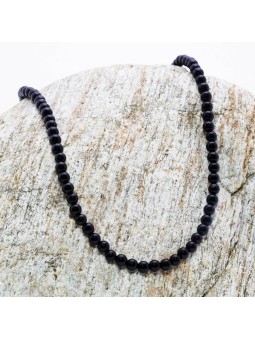
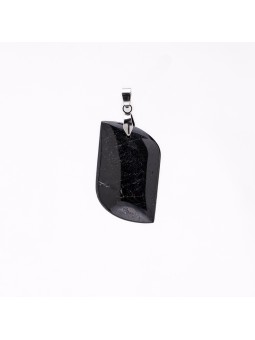
Located at the base of the spine, it governs the sense of security, grounding, vital force, and survival instinct. Reference colors: red, black, brown. When it is weak, we can feel unstable, apathetic, or lacking energy. Crystals indicated to support this center include red jasper for vitality and willpower, garnet for passion and creative drive, hematite and black onyx for grounding and protection, black tourmaline and black obsidian for releasing tensions and shielding heavy energies.
Sacral Chakra (Svadhisthana)
Located below the navel, it is connected to creativity, sexual energy, emotional fluidity, and the relationship with life's pleasure. Its color is orange. Blockages in this area can be reflected in relationships, mood, or the lower back and abdominal area. Particularly appreciated are carnelian for vitality and confidence, orange calcite for dissolving emotional blocks, garnet for intensity and desire, red aventurine for emotional balance, and orange topaz for spontaneity and joy.
Solar Plexus Chakra (Manipura)
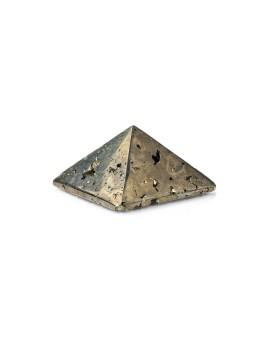
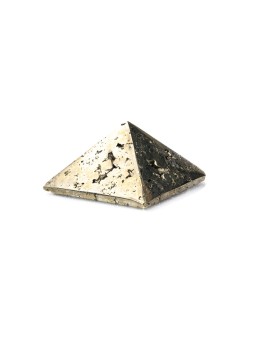
In the center of the abdomen, above the navel, resides our "personal fire": willpower, self-esteem, decision-making ability, prosperity. Its color is yellow. Imbalances can manifest as digestive tensions, insecurity, or difficulty in carrying out projects. Among the most used crystals are citrine for confidence and success, tiger's eye for courage and focus, amber for lightening heavy emotional states, yellow topaz for clarity, and pyrite as a symbol of organization and concrete manifestation.
Heart Chakra (Anahata)
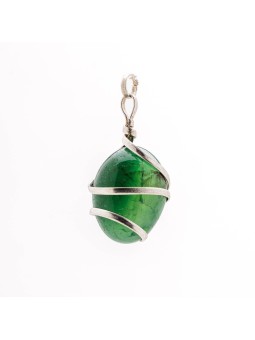
In the center of the chest, linked to breathing and the Thymus, it represents love, empathy, forgiveness, and connection. The dominant color is green, accompanied by pink tones when working on the affective aspect. A heart out of balance can alternate between emotional closure, sadness, or excessive emotional dependence. Classic crystals for this chakra are rose quartz for unconditional love and self-acceptance, morganite for sweetness and emotional dialogue, rhodochrosite for deep emotional healing, emerald for harmony and renewal, green aventurine for optimism and resilience.
Throat Chakra (Vishuddha)
Located in the larynx region, it governs communication, authenticity, and the ability to express one's truth. The reference color is sky-blue. Imbalances can emerge as a blocked voice, shyness, aggressive communication, or difficulty saying "no." To work on this center, aquamarine for clear and gentle expression, blue agate for calmness, lapis lazuli for inner truth and a broader vision, chrysocolla for releasing repressed emotions, and sodalite for integrating logic and conscious speech are often used.
Third Eye Chakra (Ajna)
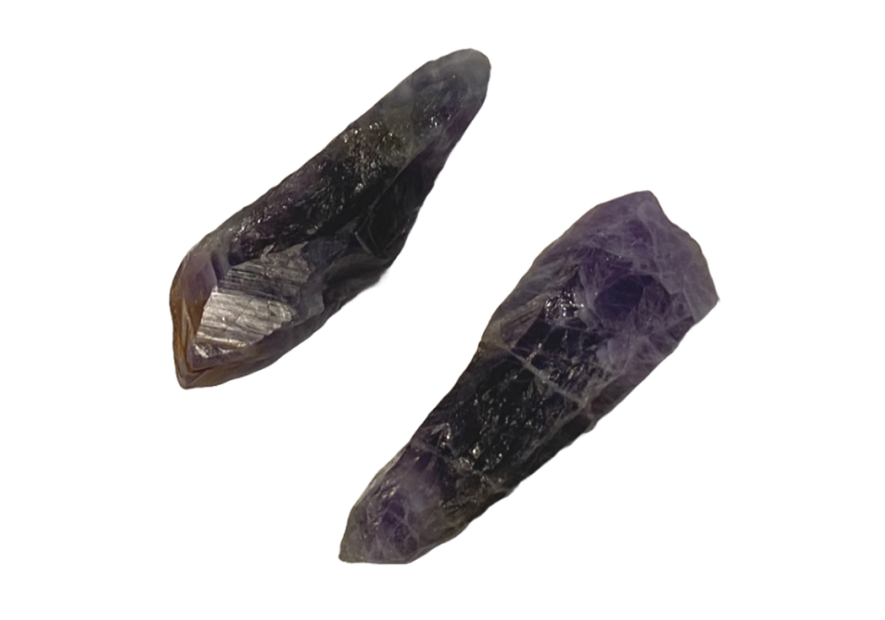
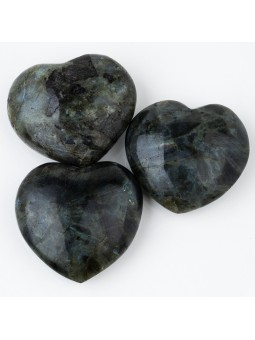
Located between the eyebrows, it is connected to intuition, subtle perception, imagination, and the ability to "see beyond." The color is indigo. When the energy here is disharmonious, we can experience mental confusion, excessive rationality, or difficulty trusting intuition. Among the most used crystals: amethyst for mental quiet and inner vision, fluorite for clarity and learning, labradorite for imagination and psychic protection, sodalite for mental order, and opal (in some traditions) for the expansion of subtle perceptions.
Crown Chakra (Sahasrara)
At the top of the head, it represents consciousness, spirituality, a sense of universal connection. The associated colors are white, transparent, violet. When it is poorly integrated, we can feel separated, meaningless, or mentally overloaded. To support it, clear quartz as an amplifier and purifier, amethyst for meditation and spiritual support, selenite for quietness and inner light, moldavite for deep transformation, and danburite for openness and higher consciousness are indicated.
How to choose crystals for the chakras
Let yourself be guided by three criteria: personal resonance (which stone instinctively attracts you), chromatic correspondence (the color often dialogues with the related chakra), and intention of use (grounding, creativity, emotional balance, mental clarity, meditation). There is no single rule: your energetic path is personal. The quality of the material also matters; prefer authentic, untreated stones, and remember to purify them periodically.
An important note
The information presented here is for cultural and holistic purposes. It does not replace professional medical, psychological, or therapeutic consultations. If you are experiencing serious physical or emotional discomfort, please consult a qualified specialist.
Sunday
Monday
Tuesday
Wednesday
Thursday
Friday
Saturday
January
February
March
April
May
June
July
August
September
October
November
December




Leave a comment